+91 89399 94244WhatsApp us

Home › Tests › Hormone tests

TESTS · FERTILITY HORMONE TESTS

Fifteen tests, no explanation. Here's what each one changes.

Fertility hormone tests are blood tests that show whether you ovulate, how the ovaries or testes are responding, and whether the thyroid or prolactin is getting in the way. Each one answers a specific question, and the day you take it matters.

  • Blood tests, both partners
  • FSH, LH, E2: day 2 to 4
  • Progesterone: about 7 days before the period
  • Only tests that change a decision
Hormone testsA 28-day cycle timeline showing when each hormone test is taken: FSH, LH and oestradiol early, progesterone in the second half, and prolactin, TSH and AMH on any day. 1 Day 2 to 4, FSH, LH, oestradiol; 2 Around day 21 of a 28-day cycle, Progesterone; 3 Any day, Prolactin, TSH, AMH; 4 Men, FSH, LH, morning testosterone.1Day 2 to 4FSH, LH, oestradiol2Around day 21 of a28-day cycleProgesterone3Any dayProlactin, TSH, AMH4MenFSH, LH, morningtestosteroneHormone testsA 28-day cycle timeline showing when each hormone test is taken: FSH, LH and oestradiol early, progesterone in the second half, and prolactin, TSH and AMH on any day. 1 Day 2 to 4, FSH, LH, oestradiol; 2 Around day 21 of a 28-day cycle, Progesterone; 3 Any day, Prolactin, TSH, AMH; 4 Men, FSH, LH, morning testosterone.1Day 2 to 4FSH, LH, oestradiol2Around day 21 of a28-day cycleProgesterone3Any dayProlactin, TSH, AMH4MenFSH, LH, morningtestosterone
  1. Day 2 to 4 — FSH, LH, oestradiol
  2. Around day 21 of a 28-day cycle — Progesterone
  3. Any day — Prolactin, TSH, AMH
  4. Men — FSH, LH, morning testosterone
A 28-day cycle timeline showing when each hormone test is taken: FSH, LH and oestradiol early, progesterone in the second half, and prolactin, TSH and AMH on any day · Test · measure, then meaning
On this page
  1. How to read your report
  2. What the result changes.
  3. Do you need this test?
  4. Your first visit
  5. Questions patients ask
  6. In their words, not ours.
  7. Where to next
  8. Send us the reports. We'll tell you which ones matter.
01

Which hormone tests are done for infertility, and why?

The core fertility hormone tests are FSH, LH and oestradiol (how the brain and ovaries are talking), progesterone (whether you ovulated), prolactin and TSH (two common reasons ovulation stops), and testosterone (PCOS in women, sperm production in men).

AMH, the egg reserve test, is often drawn at the same time but answers a different question, so it has its own page. Not everyone needs every test. Your cycle, your history and your partner's semen report decide which ones are useful.

AMH and ovarian reserve
02

How are the tests done?

Each is a simple blood test from the arm, and most can be drawn together in one visit.

Tell us if you are on the pill or other hormones, because they change the results. For men, testosterone is drawn in the morning, when it is highest.

03

Why does the day of my cycle matter?

FSH, LH and oestradiol change through the cycle, so they are measured early, on day 2 to 4 of the period, when they can be compared with standard values.

Day 1 is the first day of full bleeding, not spotting. Progesterone is measured about 7 days before your next period (day 21 of a 28-day cycle), when it peaks after ovulation. If your cycles are longer, the day moves later. Prolactin, TSH and AMH can be tested on any day.

04

What can hormone tests not tell you?

Hormone tests cannot tell you whether your tubes are open, whether the sperm are healthy, or whether you will get pregnant.

A single abnormal value is often repeated before acting, because stress, poor sleep, illness and timing move hormone levels. An isolated day 2 FSH also varies from month to month. Hormones are one part of the picture, read with a scan, a tube check and his semen analysis.

Honest note

Prolactin is not part of the routine infertility work-up. It is tested when periods are irregular or absent, or there is nipple discharge. The same logic applies to every test on the list: order it when it can change the plan. (ASRM, 2021)

05

Which hormone problems can be treated?

Most hormone problems that affect fertility can be treated, often with tablets rather than IVF.

High prolactin is usually brought down with medicine, and ovulation often returns. An underactive thyroid is corrected with a daily tablet before trying. PCOS is managed with weight, then ovulation tablets. For men with low hormone levels from the brain, hormone injections can restart sperm production.

Honest note

Lifestyle, led by a healthy weight. Then smoking, alcohol, about seven hours of sleep, stress, folic acid, and correcting thyroid, diabetes, blood pressure and vitamin D. (Dr Vani Sundarapandian, on the factors couples can influence most)

How to read your report

Bring your reports with the dates and your cycle day written on them. We read them with you.

Units: Hormones are printed in different units by different labs (for example oestradiol in pg/mL or pmol/L, prolactin in ng/mL or mIU/L). Compare a result only with the reference range on the same report.

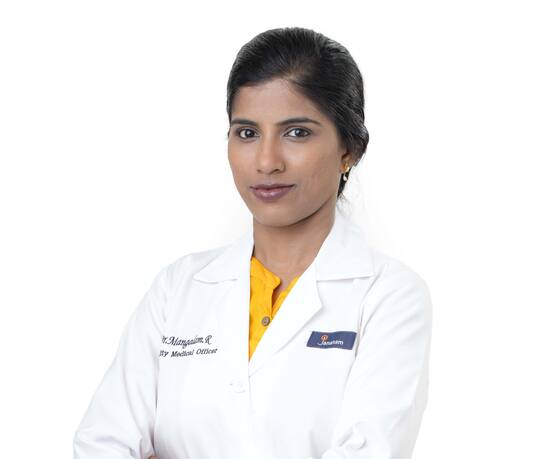
Dr Mangalam Raman, who leads Jananam's Thiruporur clinic
Dr Mangalam, at Thiruporur

FSH (IU/L or mIU/mL), day 2 to 4

Follicle-stimulating hormone: the brain's signal to grow follicles.

Reference
Lab's reference interval for the early follicular phase
If outside
Raised FSH suggests the ovaries need a louder signal, a sign of lower reserve. Very low FSH with absent periods suggests the brain signal is low (hypothalamic).


LH (IU/L or mIU/mL), day 2 to 4

Luteinising hormone: triggers ovulation and supports hormone production.

Reference
Lab's reference interval for the early follicular phase
If outside
Often higher in PCOS. On a mid-cycle test it may show the LH surge.

LH:FSH ratio

LH divided by FSH, printed by some labs.

Reference
No agreed cut-off; not part of the PCOS diagnostic criteria (ESHRE 2023 PCOS guideline)
If outside
A raised ratio can fit PCOS, but PCOS is diagnosed from periods, androgens and the ovaries (scan or AMH), not this ratio.

Oestradiol, E2 (pg/mL or pmol/L), day 2 to 4

The main oestrogen, made by growing follicles.

Reference
Lab's reference interval for the early follicular phase
If outside
A high early oestradiol can hide a raised FSH, so the two are read together (ASRM).

Progesterone (ng/mL or nmol/L), mid-luteal

Made after ovulation; shows that you ovulated that month.

Reference
ASRM: above 3 ng/mL is presumptive evidence of ovulation
If outside
A low value on the wrong day is common. It is repeated at the right time for your cycle length before calling it no ovulation.

Prolactin (ng/mL or mIU/L)

The milk hormone. High levels can stop ovulation.

Reference
Lab's reference interval
If outside
A mild rise from stress, a recent examination or some medicines is common, so it is repeated. A clearly high result leads to thyroid tests and sometimes a pituitary scan.

TSH (mIU/L or µIU/mL)

Thyroid-stimulating hormone: the main thyroid screening test.

Reference
Lab's reference interval. Targets before pregnancy can be tighter; your doctor sets them
If outside
A raised TSH is followed by free T4 and often thyroid antibodies, and treated before trying.

Free T4 (ng/dL or pmol/L)

The thyroid hormone itself.

Reference
Lab's reference interval
If outside
Read with TSH to tell an underactive from an overactive thyroid.

Total testosterone, women (ng/dL or nmol/L)

Male-type hormone, tested when PCOS is suspected.

Reference
Lab's female reference interval
If outside
Raised levels support a PCOS diagnosis. Very high levels need other causes checked.

Testosterone, FSH and LH, men

Show whether the testes make sperm and hormones normally, and whether the brain is signalling.

Reference
Lab's male reference interval; testosterone drawn in the morning
If outside
Tested when the semen count is low or zero, libido or erections are poor, or the testes are small (AUA/ASRM). High FSH with no sperm points to a production problem.

Source of ranges: Reference intervals are each lab's own, printed beside the result. The one numeric value on this page (progesterone above 3 ng/mL) is from the ASRM committee opinion 'Fertility evaluation of infertile women' (2021). No hormone value predicts pregnancy.

What the result changes.

IfAll within range, ovulation confirmed

Hormones are not the problem. We move on to the tube check and his semen analysis, if not done.

What that means

IfNo ovulation, with signs of PCOS

Weight and lifestyle first where relevant, then ovulation tablets with scans.

What that means

IfHigh prolactin (confirmed on repeat)

Look for the cause (medicines, thyroid, a small pituitary growth), then medicine to bring it down. Ovulation often returns.

What that means

IfRaised TSH or abnormal thyroid

Treat and recheck before trying or starting treatment.

What that means

IfRaised FSH or low reserve

Read with AMH and a follicle scan. Time matters more, so the plan moves faster.

What that means

IfMen: high FSH with no sperm, or low testosterone

An examination and genetic tests. Sperm retrieval, or hormone treatment when the brain signal is low.

What that means

Do you need this test?

Do any of these sound like you?

  • My periods are irregular or have stopped
  • We've had lots of tests and nobody explained them
  • My report says high prolactin or high TSH
  • I was told my FSH or LH is 'off'
  • His semen count is low or zero
  • We're about to start fertility treatment
Yes, ask Dr Vani's team

Your question is about egg reserve? Start with the AMH page.

Your first visit

1

Talk

Your cycle length, symptoms, medicines, and every test you've already had.

2

Test

Only the hormones your history calls for, on the right cycle day, plus his semen analysis.

3

Plan

Each result explained, and what it changes: treat a hormone first, or move to the next test.

4

Treat

Thyroid or prolactin treatment, ovulation tablets, or fertility treatment when needed.

Questions patients ask

What is a day 2 hormone test?

A day 2 hormone test is a blood test for FSH, LH and oestradiol taken on day 2 to 4 of your period, when these hormones are at their baseline. It shows how the brain and ovaries are working and gives a rough sign of egg reserve.

What does the LH to FSH ratio mean?

The LH to FSH ratio compares the two hormones on a day 2 test; a high ratio is common in PCOS. It is not used on its own to diagnose PCOS, because many women with PCOS have a normal ratio.

Can high prolactin stop you getting pregnant?

Yes, high prolactin can stop ovulation and cause irregular or absent periods. It is usually treatable with medicine, after a repeat test confirms it and the cause is checked.

What causes high prolactin in women?

Common causes of high prolactin in women are stress, some medicines, an underactive thyroid, breastfeeding and a small, usually harmless pituitary growth called a prolactinoma. A mildly high result is repeated before any treatment.

When should I test progesterone to check ovulation?

Test progesterone about 7 days before your next period: day 21 of a 28-day cycle, later if your cycles are longer. Testing on the wrong day is the commonest reason for a falsely low result.

Do I need a thyroid test before trying to get pregnant?

A thyroid test (TSH) is advised if you have symptoms, irregular periods, a thyroid history or a family history, and many clinics check it before treatment. An underactive thyroid is easy to treat before trying.

Which hormone tests does a man need?

A man needs FSH, LH and a morning testosterone when his semen count is low or zero, or he has low libido, erection problems or small testes. With a normal semen analysis, hormone tests are usually not needed.

Off the Record

Not the question you had?

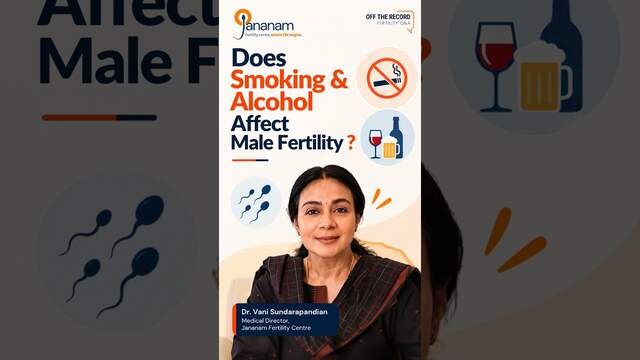
The questions people don't ask with their partner sitting beside them, answered by Dr Vani Sundarapandian.

under the table, so he can't see

  1. He won't even come in for a test. How do I ask without breaking him?Dr Vani answered · watch ↗
  2. What if I can't perform on the day?Dr Vani answered · watch ↗
  3. Is it his “only on weekends” drinking? I can't say it to his face.Answered next · watch ↗

In their words, not ours.

4.9from 1,400+ Google reviewsSee all reviews on Google

From the very first consultation to our ongoing treatments, it's evident that their approach is centered not on profit margins, but on genuine care and support for their patients. Dr. Vani Sundarapandian mam was fantastic.

We have been married for 9 years and have tried taking fertility treatment in multiple hospitals with no luck. We were referred to Jananam by a doctor who said that Jananam is not money minded but patient oriented.

Sources (4)
  1. ASRM: Fertility evaluation of infertile women: a committee opinion (2021)
  2. American Urological Association and ASRM: Diagnosis and treatment of infertility in men: AUA/ASRM guideline
  3. ESHRE: International evidence-based guideline for the assessment and management of PCOS (2023)
  4. NHS: Infertility: diagnosis

Where to next

Send us the reports. We'll tell you which ones matter.

Share your hormone results with the cycle day and date. Janvi, Jananam's companion for fertility treatment, replies straight away.

Chat on WhatsAppCall +91 89399 94244Read the Jananam Standard

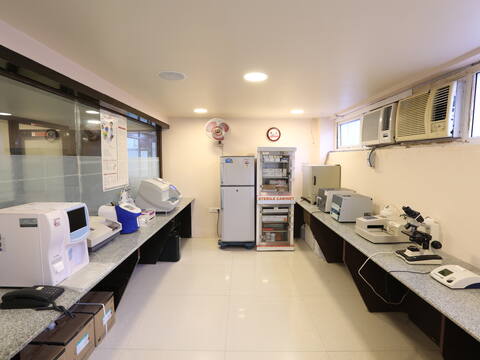
The pathology lab at Jananam Fertility Centre, Neelankarai
the pathology lab, at Neelankarai