


Ramathilagam M
· September 2026Our IVF journey for my daughter was a very emotional and memorable one, and we are truly grateful to have had such wonderful people supporting us throughout.
 +91 89399 94244WhatsApp us
Home › Treatments › IVF
IVF TREATMENT IN CHENNAI
IVF (in vitro fertilisation) means eggs and sperm meet in a laboratory, not in the body. The embryo that grows is placed in the womb a few days later.
IVF is usually worth discussing if any of these sound like you.
Worth discussing if
PROBABLY NOT YET
Many couples who are told they need IVF don’t.
None of these? You may not need IVF. Start with the simpler step.
IVF is a treatment where eggs are collected from the ovaries, fertilised with sperm in a laboratory, and an embryo is placed in the womb.
Daily injections help several eggs grow instead of one. The eggs are collected in a short procedure under sedation. In the lab, each egg meets sperm, either around it (conventional IVF) or with one sperm injected into it (ICSI). Embryos grow for 3 to 6 days, and one is transferred, fresh or in a later cycle. At Jananam, IVF treatment in Chennai happens at our Neelankarai hospital, where the embryology lab is on site.
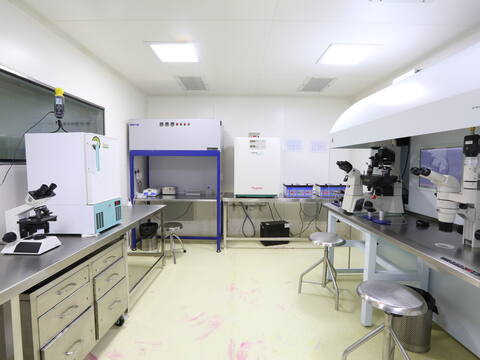
IVF's real benefit is that it gets around problems the body can't: blocked tubes, low sperm count, and ovulation that won't happen on its own.
It also lets embryos be tested for a known genetic condition, lets spare embryos be frozen for a brother or sister later, and makes donor eggs or sperm possible. What IVF cannot do is make eggs or sperm healthier. It works with what is there, which is why age and egg reserve shape what it can do for you. IVF babies are not different: once the embryo implants, the pregnancy is like any other.
IVF cannot improve the quality of the eggs or sperm you have. Any clinic that sells it as a fix for age is selling hope, not care.
People do IVF when simpler treatment can't work or hasn't worked, and many couples who are told they need IVF don't.
IVF is usually right for blocked or removed tubes, severe male factor, severe endometriosis, low egg reserve where time matters, a known genetic condition, or after IUI has had a fair try. If tubes are open and both of you test normal, tablets or IUI often come first. A treatable problem, like thyroid, a polyp or weight, should be fixed before anything else.
Under 35 with good reserve: 3 to 4 IUI cycles. 35 to 37: 2 to 3. 38 and over: 1 to 2 if reserve is satisfactory. Sooner to IVF if reserve is low or endometriosis is advanced.
| Under 35 with good reserve | 3 to 4 IUI cycles |
|---|---|
| 35 to 37 | 2 to 3 |
| 38 and over | 1 to 2 if reserve is satisfactory |
Most of our transfers are frozen because the womb lining can be prepared more calmly in a later cycle than during stimulation.
Stimulation injections push hormone levels well above normal, which in some women may affect how ready the lining is. Freezing all embryos also protects women at risk of over-response (OHSS), such as some with PCOS, and is needed when embryos are genetically tested. A fresh transfer is still an option when the response, hormones and lining all look right.
More than 90% of our embryo transfers are frozen.
We transfer the smallest number that gives a good chance of pregnancy, and never more than two.
Two embryos do not double the chance of a baby. They raise the chance of twins, and twins carry more risk of miscarriage, high blood pressure, diabetes in pregnancy and early birth. With a tested normal embryo, one is enough at any age. Spare embryos are frozen for later.
We do not transfer more than two embryos under any circumstance. Single embryo transfer is preferred for tested euploid embryos at any age, and usually under 38 with a good blastocyst.
A cycle can stall at any step, and it is easier to hear this now than to meet it unprepared.
Fewer eggs may grow than hoped, or too many (OHSS). Not every egg is mature, not every mature egg fertilises, and not every embryo grows to day 5. Sometimes there is no embryo to transfer. After a cycle that doesn't work, we review each step so the next one is different for a reason, not a repeat.
When is it time to stop IVF?Timings are typical and vary between women. Your own calendar comes with your plan.
Egg reserve (AMH and a scan), semen analysis, a check of the womb, and infection screening. Thyroid, sugar, weight and vitamin D are corrected first.
A scan and blood test confirm the ovaries are quiet and set your starting dose.
Small daily injections under the skin. Scans every 2 to 3 days show how the follicles grow, and the dose is adjusted.
A trigger injection ripens the eggs. Collection takes about 20 to 30 minutes under sedation at Neelankarai, and you go home the same day.
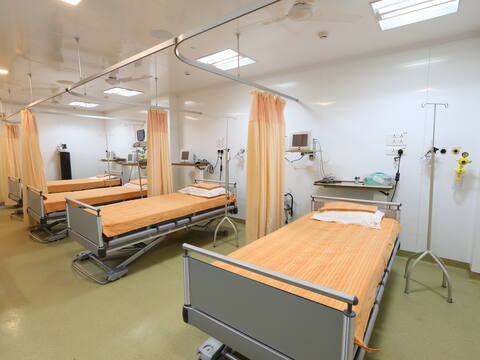
Conventional IVF or ICSI, chosen for your reason, not by default. We phone you with how many eggs fertilised.
Embryos are watched as they divide. Many are grown to blastocyst (day 5 or 6) and frozen, or tested if PGT-A is planned.
One embryo is placed in the womb with a soft catheter under ultrasound. No anaesthesia. You rest 10 to 30 minutes, then go about your day.
A beta-hCG blood test, timed by the embryo's stage. If positive, a scan follows a few weeks later.
Your whole story, both of you, and every earlier report and cycle.
Egg reserve, semen analysis and a womb check, only what's missing.
IVF or not, and why. Your price in writing, and when we'd stop.
Stimulation starts with your next period, once tests are back.
The main benefit of IVF is that it gets around blocked tubes, low sperm count and ovulation problems by bringing egg and sperm together in a lab. It also allows genetic testing of embryos for a known condition, freezing spare embryos for later, and the use of donor eggs or sperm. It does not improve egg or sperm quality.
People do IVF when conception can't happen in the body or simpler treatment hasn't worked: blocked tubes, severe male factor, severe endometriosis, low egg reserve, or several failed IUI cycles. Some do it to test embryos for an inherited condition, or to freeze embryos before cancer treatment.
Jananam Fertility Centre offers IVF treatment in Chennai at its Neelankarai hospital off ECR, with the embryology lab on site. Consultations and scans can also happen at Jananam Thiruporur on OMR. Both partners are tested before any plan is made.
One IVF cycle takes about 4 to 6 weeks from your period to the pregnancy test if the embryo is transferred fresh. If embryos are frozen, the transfer happens in a later cycle, usually the next month or the one after.
Egg collection is done under sedation, so you don't feel it at the time. Afterwards most women have period-like cramps and bloating for a day or two. Call the clinic the same day for severe pain, heavy bleeding, fever or breathlessness; outside clinic hours, call 108 or go to the nearest emergency department, then call us on +91 89399 94244.
No. Only fertilisation happens in the lab; once the embryo implants, the pregnancy develops like any other. Children born after IVF have been followed for more than 40 years.
Not unless there is a reason, such as very low sperm count, sperm retrieved by TESA or PESA, or eggs that failed to fertilise before. ICSI should not simply be viewed as automatically better IVF. If your semen analysis is normal, ask why it is being suggested.
More than one cycle is common, and that is not a sign something went wrong. After each cycle that doesn't work, we review the response, eggs, fertilisation, embryos and lining, so the next attempt changes for a reason. The most common mistake we see is waiting too long to try again.
The questions people don't ask with their partner sitting beside them, answered by Dr Vani Sundarapandian.
Two short answers to the questions people ask first. They explain how treatment works; they cannot tell you whether it is right for the two of you.
Our IVF journey for my daughter was a very emotional and memorable one, and we are truly grateful to have had such wonderful people supporting us throughout.
I was very hesitant to undergo IVF process as i heard it takes a lot physically, emotionally and also past few experiences which is not so good.
I started visiting Jananam in July 2022 after multiple IVF failures at other clinics. From the very beginning, Dr. Vani and the entire staff at Jananam were very caring, understanding and empathetic to me.
What your plan covers, visit by visit.
TREATMENTWhich cycle day, and why we freeze most embryos.
TREATMENTWhen injecting the sperm helps, and when it doesn't.
JOURNALDr Vani's honest answer, agreed before cycle one.
CENTREWhat the first consultation answers, and what it costs.
Janvi, Jananam's companion for fertility treatment, replies straight away.
Sex selection is prohibited in India under the PCPNDT Act, 1994 and the ART Act, 2021.